
Sensing insole
In development
THE IDEA / PROGNOSOLE
Every step
has a story.
Walking is part of everyday life. Understanding it shouldn’t have to stop at the clinic door.
We’re developing a sensing insole to explore the rhythm of movement — and what changes from one step to the next.
A look inside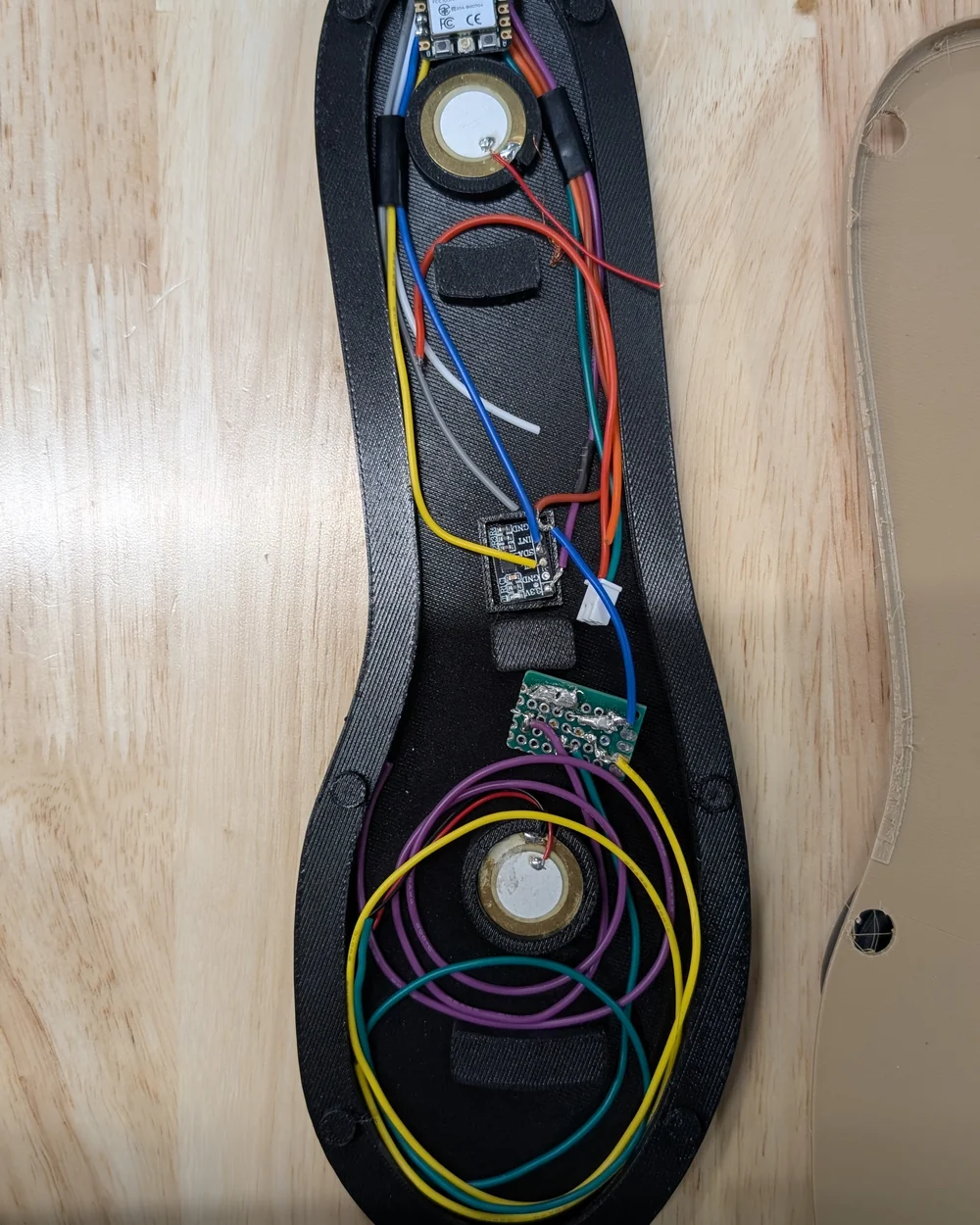
01 / SENSING THE STEP
A little closer
to movement.
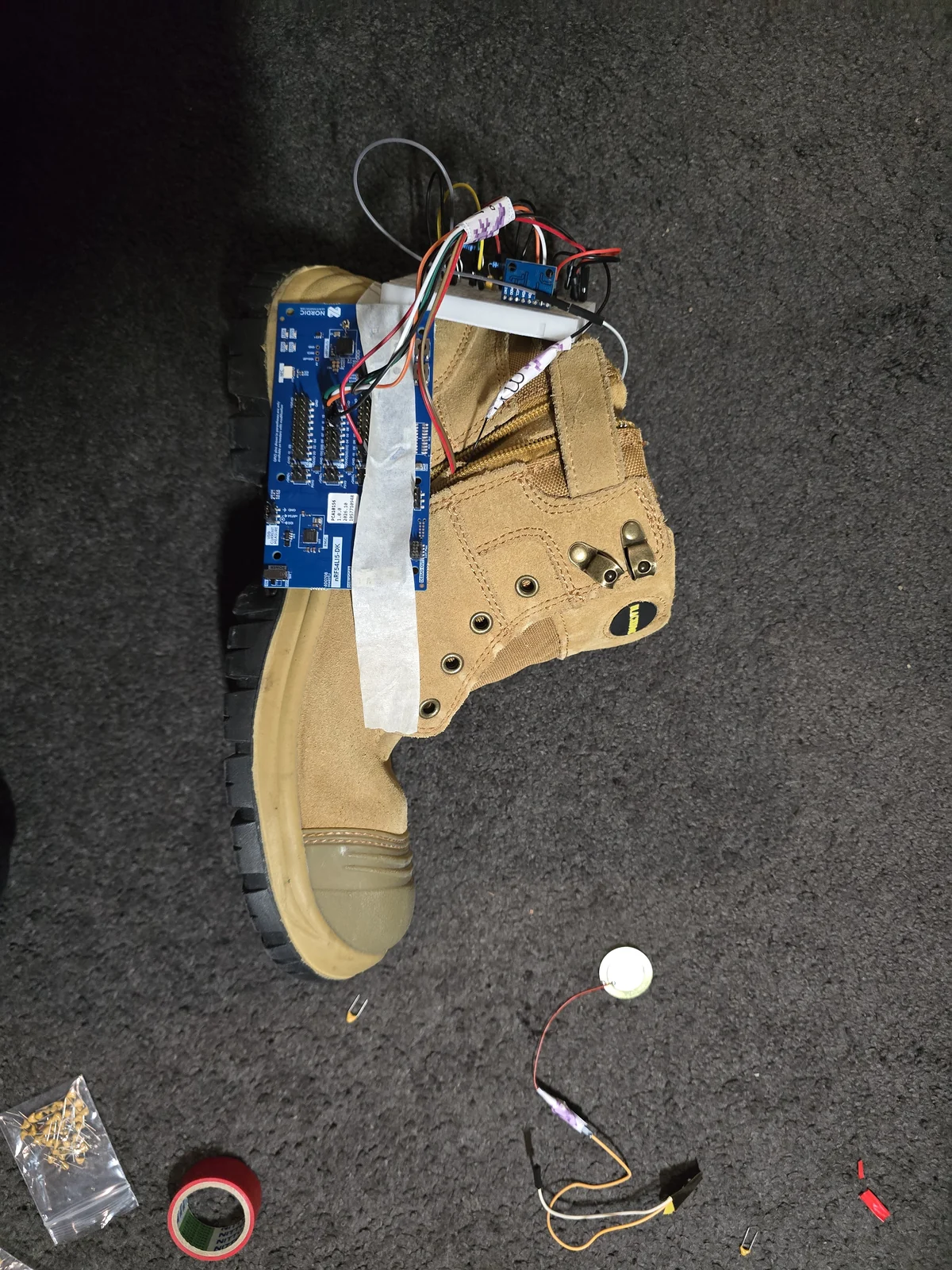
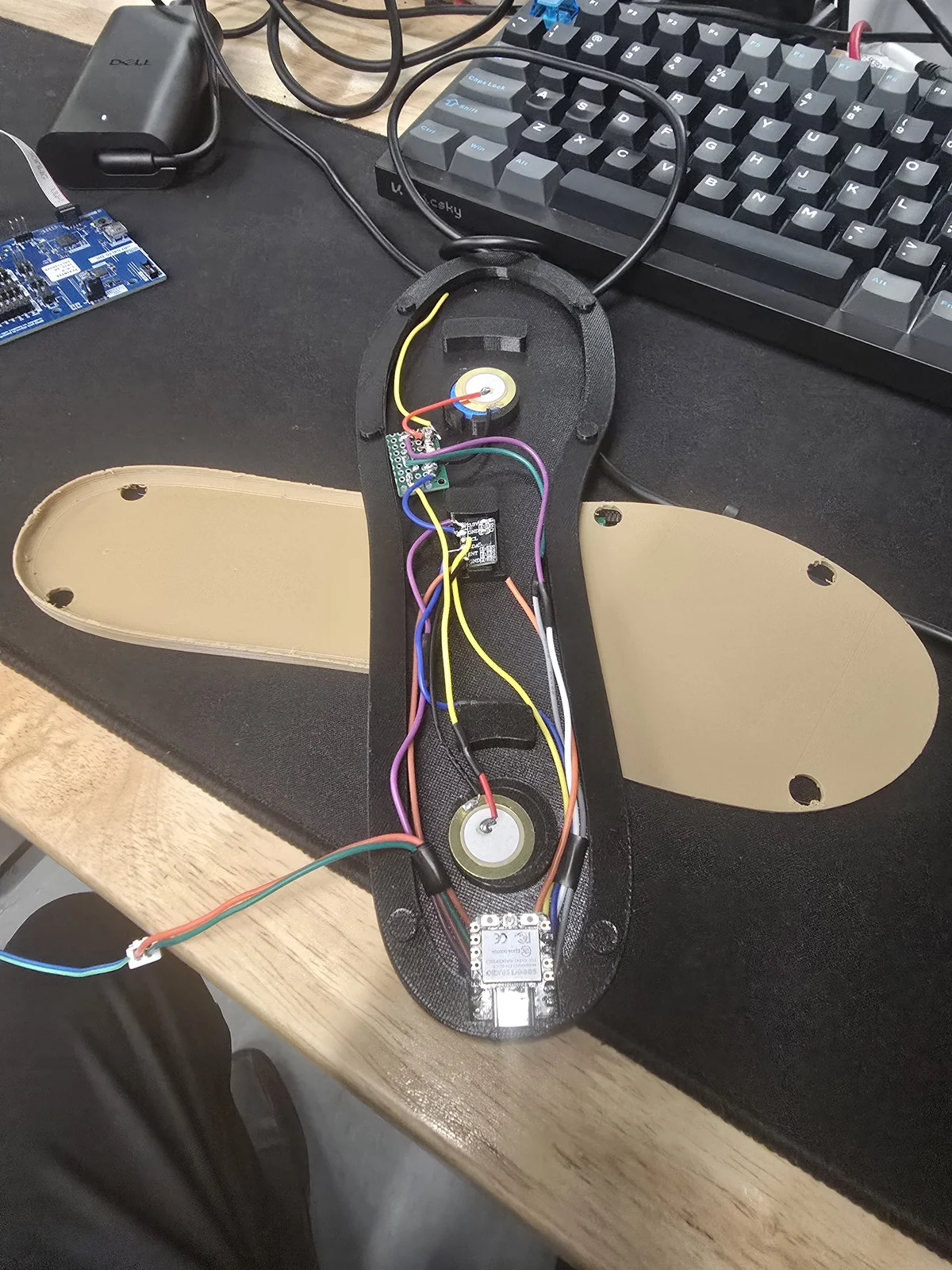
Heel and forefoot sensors register contact. A motion sensor follows the foot. Together, they help us explore the timing of a step.
When the foot meets the ground.
How the foot moves through a stride.
The timing of stance, swing and the next step.
A working prototype with wireless recording. Measurement validation is ongoing.
02 / EXPLORING ENERGY
A step towards
self-powered.
Movement creates possibility.
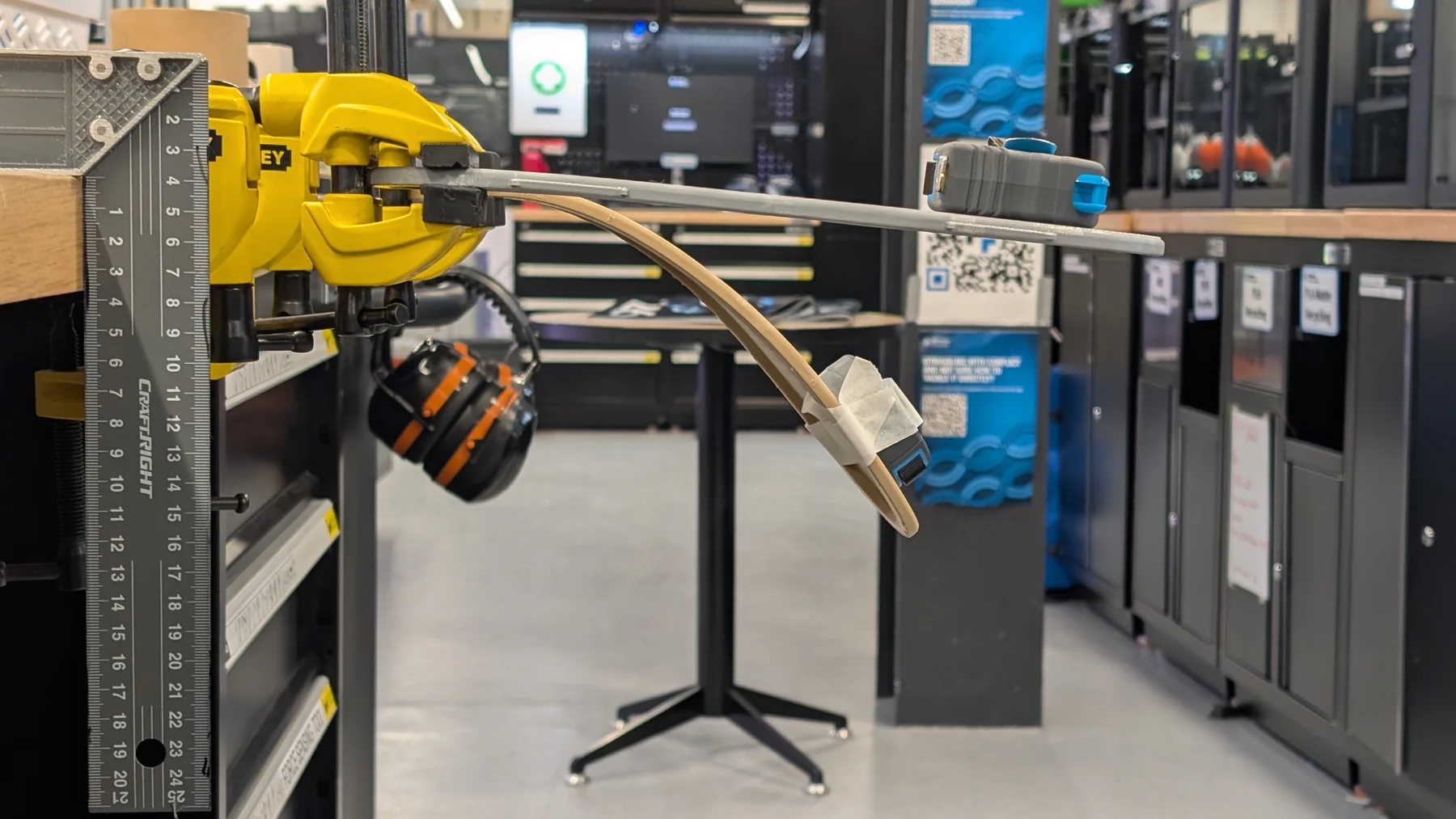
Alongside sensing, we’re experimenting with harvesting energy from a footstep. Small bench tests are helping us understand what could power the next version.
Energy harvesting is experimental. Continuous self-powered operation has not yet been demonstrated.
03 / FINDING THE FIT
Made around
the foot.
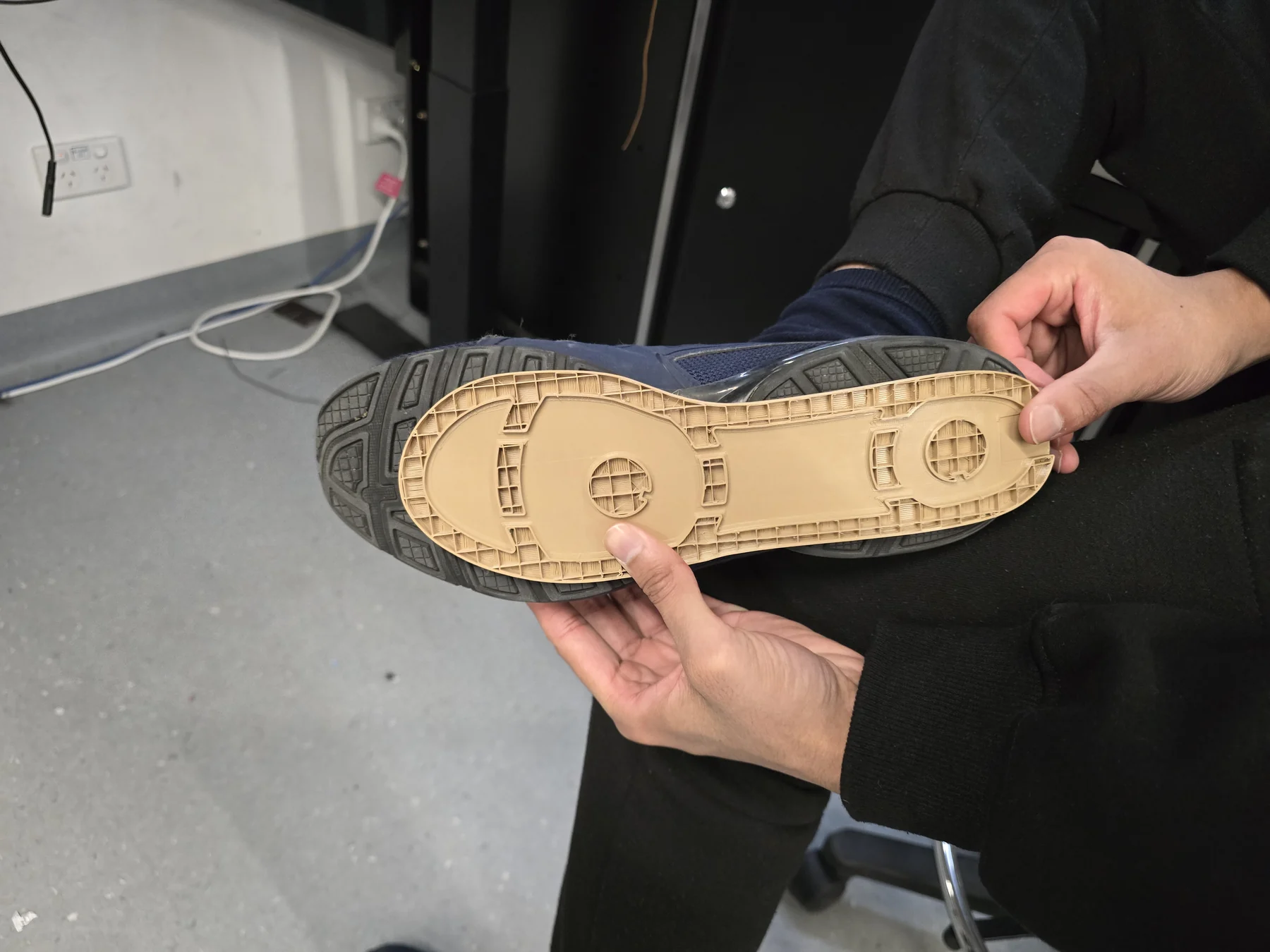
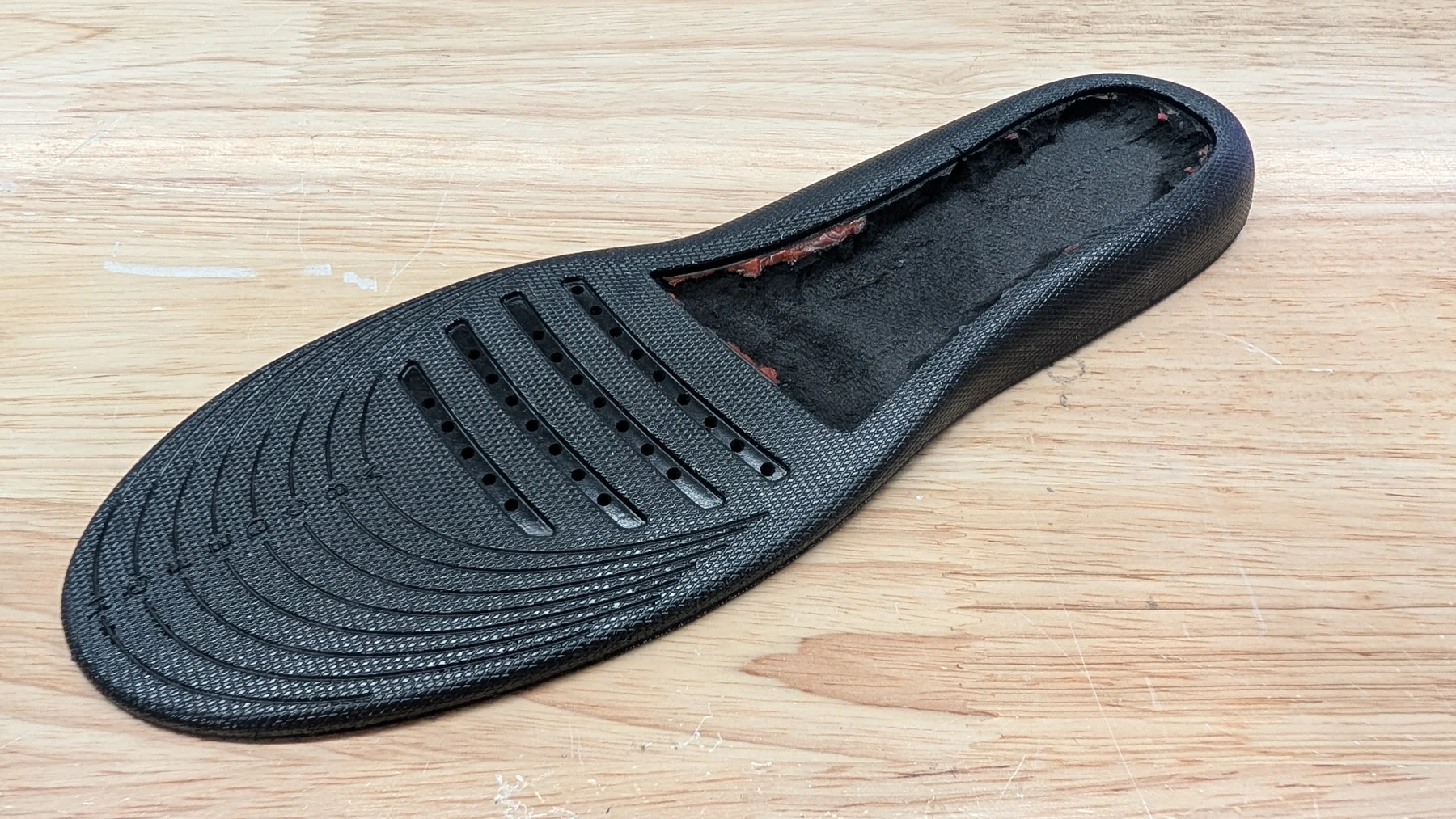
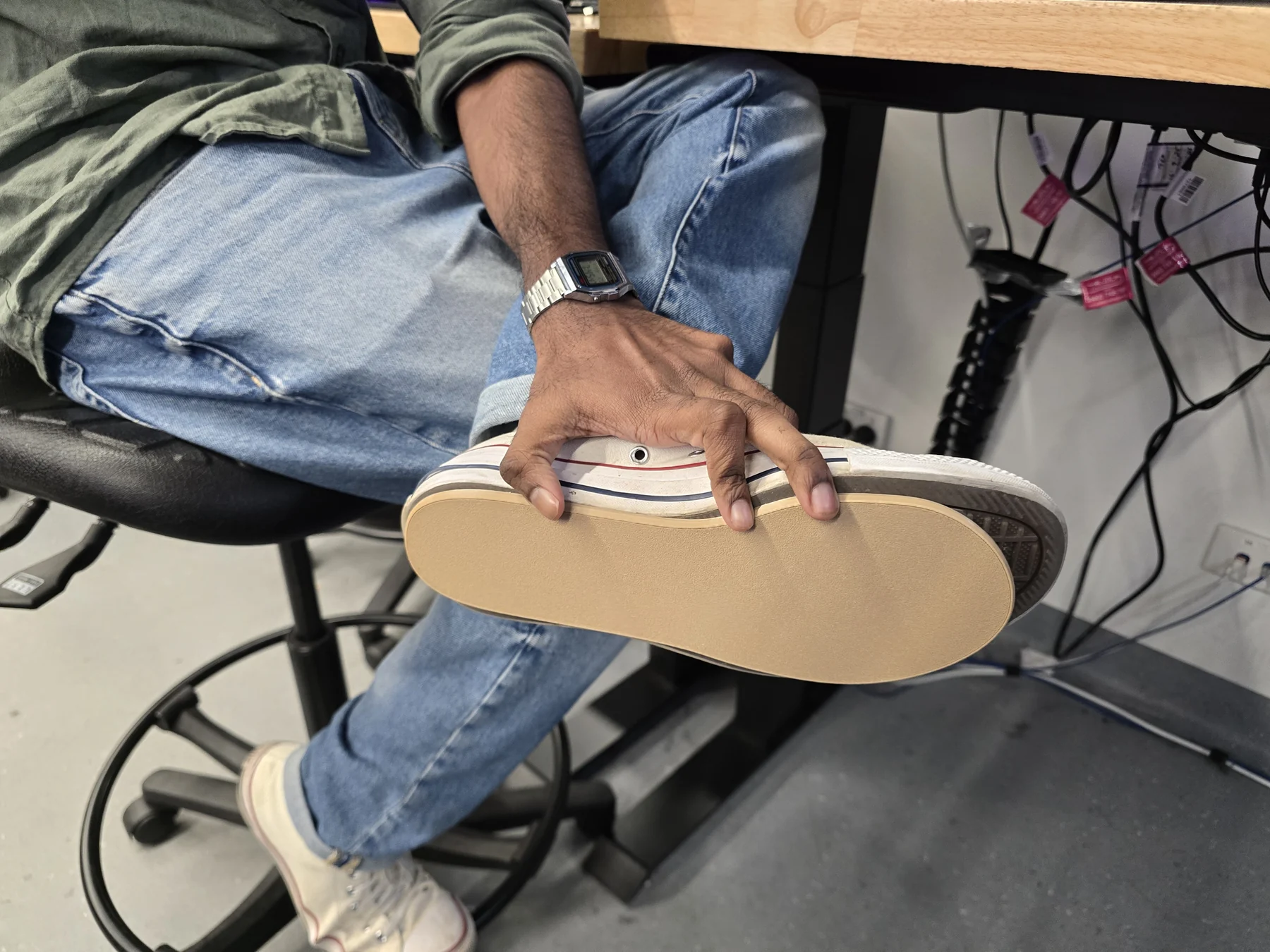
Good sensing is only part of the picture. We’re testing flexible materials, adjusting the shape and making room for the electronics — one iteration at a time.
THE WORK BEHIND THE IDEA
Measure.
Learn. Refine.
We’ve begun comparing the prototype with reference gait equipment. These early sessions help us see what’s working — and where the measurements need more work.
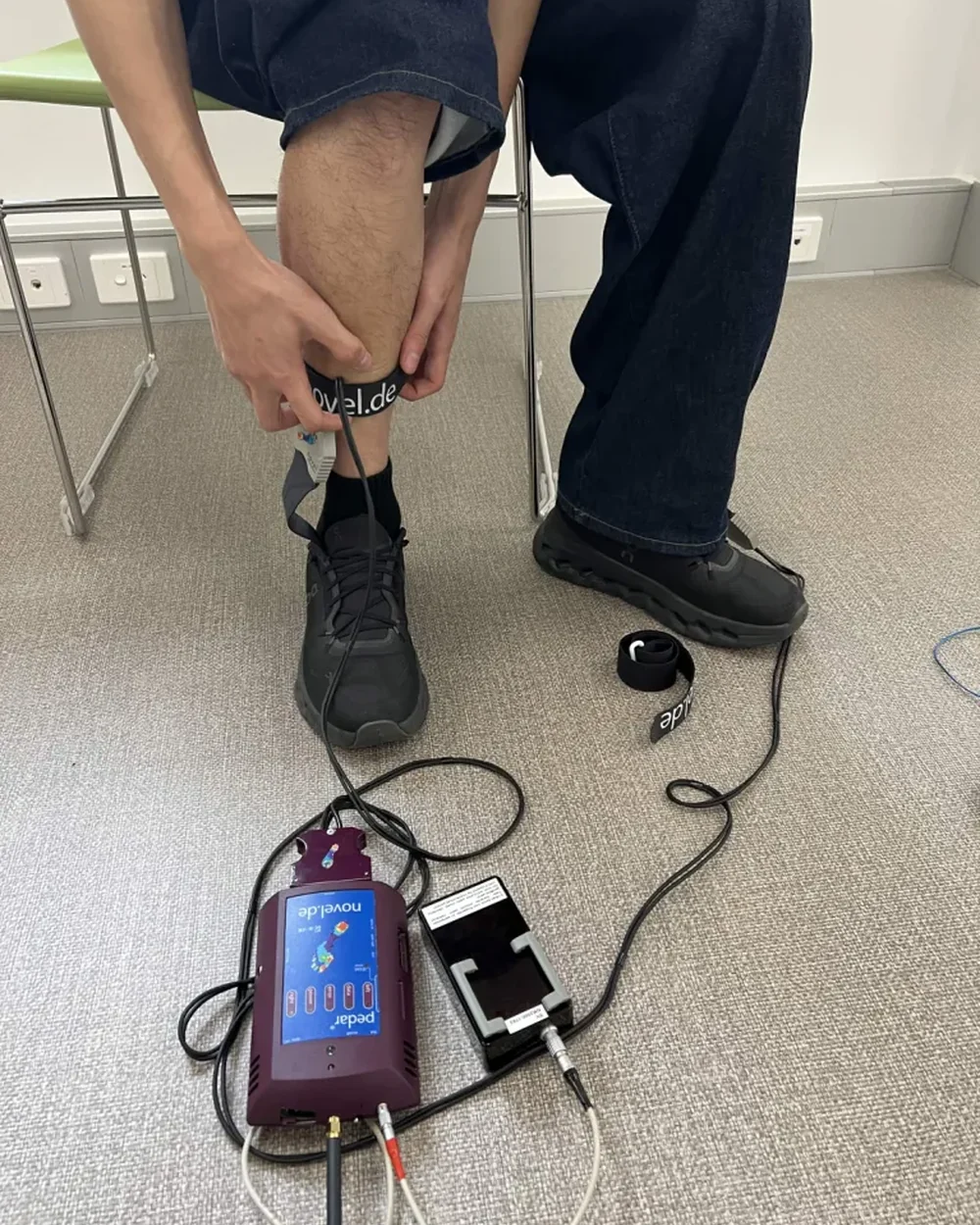
Next: repeatable measurements, more walking conditions, and a thinner, more wearable design.
OUR STORY / MONASH, AUSTRALIA
Built by hand.
Driven by curiosity.
Four engineers. A shared interest in movement. What began as a university project is becoming a conversation about how gait sensing could fit into everyday care.
Aaron Zachariah
Electronics & firmware
Omila Herath
Data & modelling
Nishal Joseph
Energy & electrical
Timothy Tran
Mechanical design
FOR CLINICIANS / AN OPEN CONVERSATION
THE NEXT CHAPTERWhat would you
want to understand?
We’re listening to podiatrists, clinicians and gait researchers. Which measurements would be useful? When would they change a decision?
Your experience can help shape the next version.
Let’s talkThe path we’re exploring, together.
A FEW THINGS TO KNOW
Can I use Prognosole in my clinic?
Prognosole is a research prototype, not yet available for clinical use or purchase. We’re inviting conversations about clinical needs and useful gait measurements.
Who are you building this for?
We’re exploring the needs of podiatrists, other clinicians and gait researchers. The first use case is still taking shape.
Does it diagnose a condition?
No. Our work focuses on developing and evaluating gait measurements. Disease detection and clinical benefit have not been established.
SOMETHING TO SHARE?